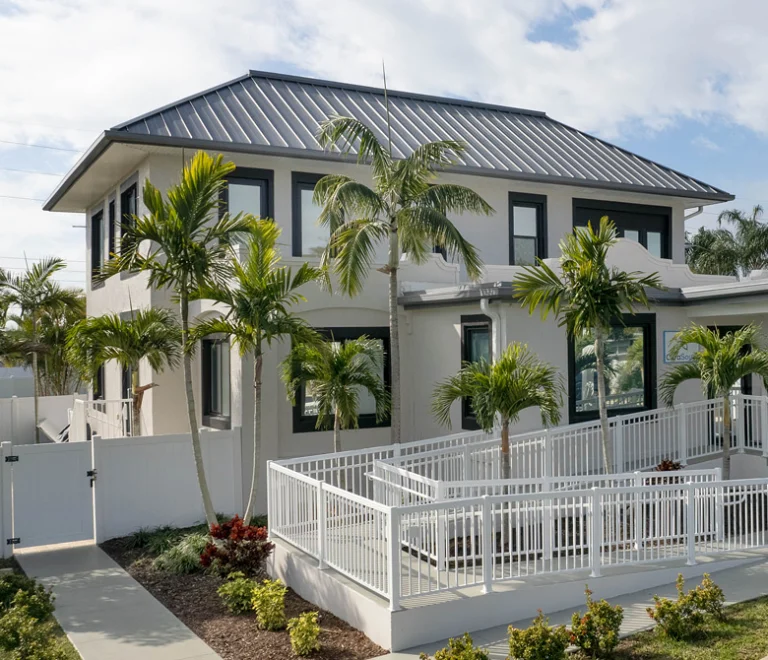
What is Residential Addiction Treatment?
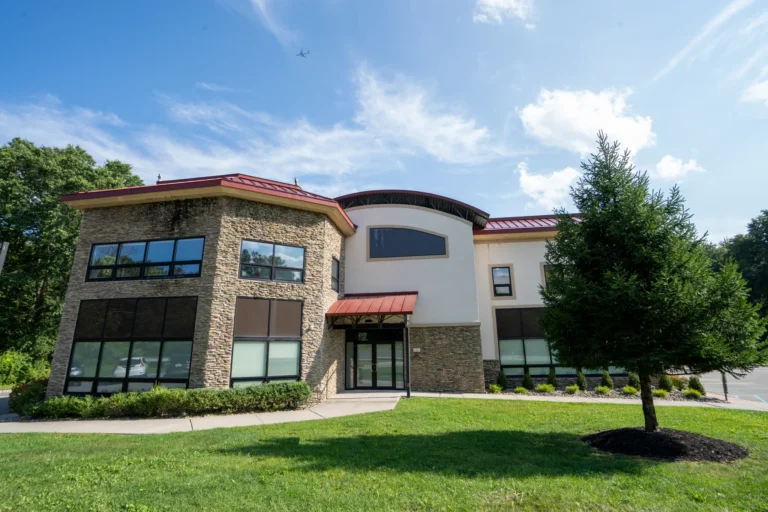
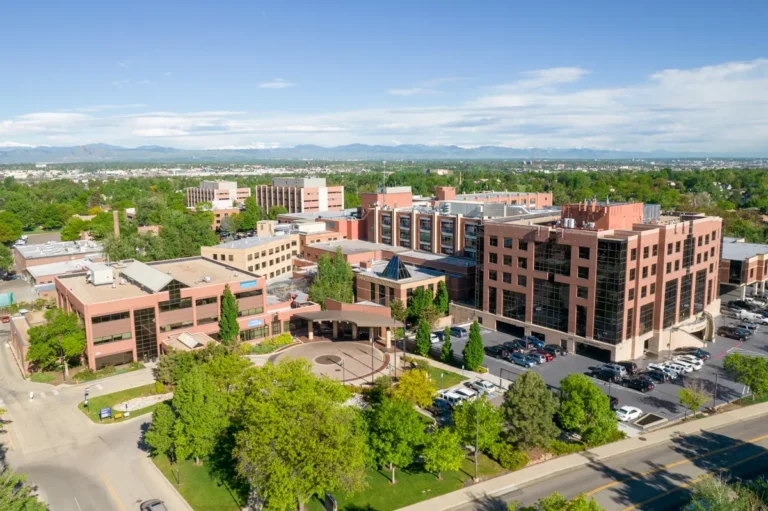
Residential treatment, also called inpatient treatment, is a live-in program where your teen resides at our Montville, NJ facility for the full duration of their behavioral health care. Unlike outpatient programs where teens go home each day, residential teen treatment means your child lives with us—completely removed from the environment, triggers, and influences that fueled their substance use.
Residential treatment at Guardian Recovery means:
- Living at our Montville, NJ facility for the duration of your teen’s program
- Complete separation from triggers, people, and environments connected to substance use
- Intensive daily therapy designed for adolescents—individual, group, and specialized sessions
- 24/7 access to medical and clinical staff trained in teen mental health and behavioral health
- Structured daily schedule focused entirely on your child’s recovery
- No outside responsibilities—school stress, peer pressure, or daily stressors are put on hold
- Peer support from other teens on the same journey
- Comprehensive treatment for both substance use and adolescent mental health disorders
Think of residential teen treatment as hitting the reset button on your child’s life.
For approximately 28 days, recovery is your teen’s full-time commitment—and our specialized team provides the age-appropriate support they need.
Who is Residential Inpatient Treatment Right For?
Guardian Recovery’s residential program serves adolescents who need intensive, immersive care to break free from substance use and behavioral health challenges. Our Montville, NJ facility specializes in teen treatment with staff trained specifically in adolescent development and mental health needs.
Residential treatment may be right for your teen if:
Your Teen Needs a change in environment:
- Your teen’s home environment enables substance use or is full of triggers
- Your child is surrounded by peers who actively use substances
- Previous attempts at outpatient teen treatment haven’t worked
- Your teen needs physical distance from negative influences to break old patterns during this critical developmental stage
Your Teen’s Substance Use is Severe:
- Your child has been using substances daily or near-daily
- Your teen’s life has become unmanageable due to substance use (school failure, legal issues, health problems)
- Your child has experienced significant consequences appropriate to their age (school suspension, damaged family relationships, health concerns)
- Your teen needs intensive intervention to establish sobriety and address underlying behavioral health issues
Your Child Requires Structured Support:
- Your teen struggles with impulse control typical of adolescence and needs 24/7 accountability
- Your child needs help establishing healthy routines and structure during this developmental period
- Your teen benefits from a highly supervised environment with age-appropriate boundaries
- Your child is at high risk for relapse without constant support from behavioral health professionals
Your Child Has Co-Occurring Mental Health Conditions:
- Your teen is struggling with depression, anxiety, trauma, ADHD, or other mental health disorders alongside addiction—extremely common in adolescents
- Your child’s mental health symptoms make outpatient teen treatment challenging
- Your teen needs intensive psychiatric support during this critical developmental period
- Your child requires integrated adolescent treatment for both conditions simultaneously
Your Child is Transitioning from Medical Detox:
- Your teen has just completed detoxification and needs immediate continued behavioral health care
- Your child is medically stable but emotionally vulnerable—especially challenging during adolescence
- Your teen needs to build recovery skills before returning to school and daily life
Your Teen Needs a Fresh Start:
- Your teen is ready to commit fully to recovery (with your support as parents)
- You recognize your child can’t do this alone and needs specialized adolescent treatment
- You want to invest in your teen’s future and give them tools for lifelong mental health
- Your child is willing to do the deep, difficult work of healing during this formative time
What to Expect at Guardian Recovery’s Residential Program
Before You Arrive
- Conduct a comprehensive, confidential assessment of your teen’s needs
- Review your child’s substance use history, mental health status, and developmental stage
- Discuss any adolescent behavioral health concerns specific to your teen
- Verify your insurance coverage for teen treatment
- Answer all your questions about our age-appropriate program
- Help you and your teen prepare for admission to our Montville, NJ facility
- Provide a clear list of what your child should bring
We make admission as easy as possible for families.
Many teens arrive within 24-48 hours of the initial call, allowing parents to get their child into safe, supportive adolescent treatment quickly.
Your First 24-48 Hours
Arrival and Intake:
- Welcome by our teen-specialized clinical team
- Tour of the Montville, NJ facility and your child’s living space designed for adolescents
- Comprehensive medical and psychological assessment appropriate for teens
- Meet your teen’s primary therapist and case manager trained in adolescent behavioral health
- Introduction to program rules, schedule, and age-appropriate expectations
- Medication review and management plan specific to adolescent needs
Medical Stabilization:
- If your teen is coming directly from detox, our medical team ensures they’re stable
- Any necessary medications are provided with careful attention to adolescent dosing and monitoring
- Co-occurring mental health conditions common in teens are addressed
- Your child is assessed for any immediate clinical needs specific to their developmental stage
Orientation:
- Learn about the daily schedule and structure designed for adolescents
- Meet staff specially trained in teen behavioral health and fellow teen residents
- Begin understanding what the next 28 days will look like in age-appropriate terms
- Start feeling safe and supported by peers and professionals who understand teen challenges
Many teens feel anxious on day one—that’s completely normal, especially for adolescents who may have never been away from home.
Our staff understands adolescent development and will help your child adjust to this new environment.
Your Daily Life in Residential Treatment
Residential teen treatment is highly structured with age-appropriate activities and therapy. Every part of your child’s day is designed with intention—to break destructive patterns, build healthy coping skills appropriate for their developmental stage, teach recovery tools, and help your teen discover their identity outside of substance use.
Typical Daily Schedule
7:00 AM – Wake Up & Morning Routine
- Personal hygiene and room care (building responsibility)
- Medication distribution with adolescent-appropriate supervision
- Light stretching, mindfulness, or grounding exercises for teens
8:00 AM – Breakfast
- Nutritious meals to support physical development in growing teens
- Community dining to build healthy peer connections
- Set daily intentions appropriate for adolescent development
- Share gratitude or check in emotionally with teen peers
- Receive daily announcements
- Build community and accountability among teens
9:30 AM – Morning Therapy Session
- Group therapy designed for adolescents (process groups, CBT, DBT)
- Psychoeducation sessions on teen-relevant topics
- Skill-building workshops appropriate for developmental stage
- Experiential therapies engaging teens actively
12:00 PM – Lunch
- Midday meal and social time with teen peers
- Brief rest period
1:00 PM – Afternoon Therapy Session
- Individual therapy focused on adolescent issues (scheduled 1-3 times per week)
- Specialized groups for teens (trauma, relapse prevention, family dynamics, peer pressure)
- Psychiatric appointments as needed for adolescent mental health
- Case management and discharge planning including school reentry
3:30 PM – Recreational/Holistic Activities
- Yoga or teen-appropriate fitness
- Art or music therapy designed for adolescents
- Meditation and mindfulness for teens
- Outdoor activities and recreation
- Social connection building with healthy peer interactions
5:30 PM – Dinner
- Evening meal and social time
7:00 PM – Evening Programming
- Age-appropriate recovery meetings or teen support groups
- Educational films or workshops relevant to adolescent life
- Journaling or reflection time
- Guest speakers or alumni visits from young adults in recovery
8:30 PM – Personal Time
- Phone calls with parents/approved family contacts
- Reading, journaling, or creative activities
- Self-care activities appropriate for teens
- Prepare for the next day
10:00 PM – Evening Check-In
- Reflection on the day with teen-trained staff
- Medication distribution
- Support for any struggles or emotions
11:00 PM – Lights Out
- Rest and recovery (proper sleep hygiene is crucial for adolescent development)
Note: Your teen’s specific schedule may vary based on their individualized treatment plan, the facility, and their progress. Academic support is also integrated to prevent your child from falling behind during teen treatment.
Treatment Components in Residential Rehab Care
Individual Therapy
One-on-one sessions with your teen’s primary therapist—trained specifically in adolescent behavioral health—are the cornerstone of residential treatment.
Frequency:
Typically 1-3 times per week, 45-60 minutes per session appropriate for teen attention spans and emotional capacity
Focus areas:
- Understanding the root causes of your teen’s substance use during this critical developmental period
- Processing trauma, grief, shame, and difficult emotions common in adolescence
- Identifying and changing unhelpful thinking patterns typical in teens
- Developing personalized coping strategies appropriate for your child’s age
- Setting concrete, achievable recovery goals relevant to teen life (school, family, future)
- Building self-awareness and emotional intelligence during identity formation
- Preparing for life after treatment including returning to school and managing peer relationships
Your teen’s therapist becomes their advocate, their guide, and the person who helps them understand themselves in ways that honor their developmental stage.
Group Therapy
Group sessions are a powerful part of residential teen treatment. Your child will participate in multiple groups daily, connecting with peers who truly understand what they’re going through—something especially important for adolescents.
Types of groups you’ll experience:
Process Groups: Share experiences with teen peers, receive feedback from others their age, learn they’re not alone in their struggles, practice interpersonal skills critical for adolescent development.
Cognitive Behavioral Therapy (CBT): Identify negative thought patterns that drive substance use in teens, learn to challenge and reframe distorted thinking common in adolescence, develop healthier perspectives appropriate for their developmental stage.
Dialectical Behavior Therapy (DBT): Master skills for emotional regulation (crucial for teens), learn distress tolerance techniques appropriate for adolescents, improve interpersonal effectiveness with peers and family, practice mindfulness adapted for teen engagement.
Relapse Prevention: Identify personal triggers and high-risk situations specific to teen life (school stress, peer pressure, family conflict), develop comprehensive relapse prevention plans appropriate for adolescents, learn warning signs and intervention strategies teens can actually use.
Trauma-Focused Therapy: Address adverse childhood experiences or adolescent trauma safely, understand the connection between trauma and substance use in young people, heal in age-appropriate, evidence-based ways.
Life Skills Groups: Develop practical skills for independent living appropriate for teens, including healthy communication with parents, managing school responsibilities, building healthy peer relationships, preparing for college or work transitions.
Psychiatric Services and Medication Management
Guardian Recovery provides comprehensive psychiatric care as part of residential teen treatment, with particular attention to adolescent mental health and development.
You’ll receive:
- Complete psychiatric evaluation appropriate for adolescents within your teen’s first few days
- Diagnosis and treatment of co-occurring mental health disorders extremely common in teens (depression, anxiety, ADHD, PTSD)
- Medication management specifically calibrated for adolescent bodies and brains, including careful monitoring of developmental effects
- Regular monitoring of medication effectiveness and side effects with adolescent-specific protocols
- Education about your teen’s mental health and medication appropriate for their age and understanding
- Integrated treatment that addresses both addiction and adolescent mental health simultaneously
This is true dual diagnosis care for teens.
We don’t tell your child to “deal with mental health later”—we treat the whole adolescent from day one, understanding how behavioral health and development intersect.
Family Programming
Addiction impacts everyone who loves your teen. Healing includes repairing and rebuilding family relationships—especially important during adolescence when family dynamics are already complex.
Family involvement includes:
- Family education sessions about adolescent addiction, development, and recovery
- Family therapy sessions (in-person at our Montville, NJ facility or via telehealth)
- Parent communication skills training for healthier interactions with your teen
- Addressing family trauma and dysfunctional patterns affecting your child
- Building a supportive family recovery plan that honors adolescent development
- Preparing parents for your teen’s return home and reintegration into family life
We invite families into the teen treatment process
because parental and family support significantly impacts your child’s long-term recovery success during these formative years.
Medical Care
Beyond psychiatric services, our residential program includes comprehensive medical care appropriate for adolescent bodies and development.
Medical support includes:
- Management of chronic health conditions in teens (asthma, diabetes, etc.)
- Treatment for addiction-related health complications in young people
- Medication for comfort and symptom management with adolescent-appropriate dosing
- Nutritional counseling and support for growing bodies
- Sleep hygiene and restoration (critical for adolescent brain development)
- Physical wellness monitoring appropriate for teens
Addiction takes a toll on your teen’s developing body.
Residential treatment gives your child’s body time to heal during this critical growth period while we support their physical health with age-appropriate medical care.
Psychoeducation
Understanding addiction empowers your teen’s recovery—and age-appropriate education helps them make sense of what they’ve experienced.
Educational topics include:
- The neuroscience of addiction in the adolescent brain—how substances affect developing brains differently
- The recovery process and what to expect at each stage for teens
- Co-occurring mental health disorders common in adolescence and their treatment
- Nutrition, exercise, and physical wellness during teen development
- Sleep hygiene and restoration (critical for adolescent health)
- The role of healthy peer relationships and family in recovery
- Managing cravings, triggers, and peer pressure specific to teen life
- The importance of continuing care and planning for the future
Knowledge is power for adolescents.
The more your teen understands about addiction and their own behavioral health, the better equipped they are to maintain sobriety and make healthy choices.
Holistic and Experiential Therapies
Healing isn’t just about talking—especially for teens who often express themselves better through action and creativity. Guardian Recovery incorporates therapies that engage your child’s whole self in age-appropriate, teen-engaging ways.
Holistic approaches include:
- Mindfulness and Meditation: Learn to stay present, manage racing thoughts common in teens, and find inner peace adapted for adolescent engagement
- Yoga and Movement: Reconnect with their changing bodies, reduce stress, and build physical strength during development
- Art Therapy: Express emotions creatively, process trauma non-verbally, and discover new outlets—especially powerful for teens
- Music Therapy: Use music for emotional expression and healing in ways teens naturally connect with
- Adventure-Based Activities: Build confidence, teamwork, and resilience through experiential challenges teens find engaging
- Nutritional Counseling: Restore growing bodies through proper nutrition for adolescent development
- Fitness and Recreation: Develop healthy outlets for stress and peer connection appropriate for teens
Recovery engages mind, body, and spirit—especially important during adolescence.
These holistic approaches support healing on all levels while honoring your teen’s developmental stage.
Case Management and Discharge Planning
From day one, we’re preparing your teen for life after residential treatment—including returning to school, reconnecting with healthy peers, and rebuilding family relationships.
Case managers help you:
- Coordinate continuing adolescent care (PHP, IOP, outpatient therapy)
- Connect with community resources for teens and families
- Plan for school reentry and academic support
- Address any sober living or housing needs appropriate for teens
- Navigate insurance and financial concerns
- Build a comprehensive aftercare plan specific to adolescent needs
- Establish connections with teen recovery support groups
We don’t just treat your child and send them home.
We ensure your teen has a solid plan and age-appropriate support system for continued recovery as they transition back to their life.
Length of Stay:
Guardian Recovery’s residential program for teens typically runs for approximately 21-28 days, though the exact length may vary based on:
- Your teen’s individual clinical needs, progress, and developmental stage
- The severity and complexity of your child’s substance use disorder
- Co-occurring mental health conditions common in adolescents
- Your insurance coverage for adolescent treatment
- Your teen’s response to behavioral health treatment
- Your child’s readiness to transition to the next level of care
Why 21-28 days?
Research shows that 21-28 days of intensive residential treatment provides adolescents:
- Enough time to break the cycle of active addiction during this critical developmental period
- Sufficient opportunity to develop foundational recovery skills appropriate for teens
- Time to address underlying issues contributing to substance use in young people
- Space to stabilize mental health and begin healing trauma common in adolescence
- A foundation strong enough to transition successfully to lower levels of care while returning to school and family life
Some teens need more time; some are ready to step down slightly sooner.
Your child’s treatment team assesses their progress regularly and makes recommendations based on adolescent development and individual behavioral health needs.
Questions About Insurance?
Find out exactly what your plan covers. We make insurance verification fast, easy, and private.
What Happens After Residential Treatment?
Residential treatment is a powerful beginning, but recovery is a lifelong journey—especially important for teens to understand as they grow into adulthood.
Research overwhelmingly shows that adolescents who transition through multiple levels of care have significantly better long-term outcomes than those who complete residential treatment and receive no follow-up support.
When your teen completes residential treatment at Guardian Recovery in Montville, NJ, they’ll step down to the next level of our continuum of care:
Partial Hospitalization Program (PHP)
After residential, most teens transition to PHP, which provides:
- Continued intensive treatment designed for adolescents (5-6 hours daily, 5-7 days/week)
- Flexibility to live at home while receiving behavioral health support
- More independence while maintaining robust clinical support appropriate for teens
- Practice applying recovery skills in real-world settings including school
- Continued individual and group therapy focused on adolescent issues
- Ongoing psychiatric care and medication management for teen mental health
This transition is seamless for your child.
Your teen will often continue working with the same therapists and treatment team, maintaining the relationships and trust they’ve built while gradually reintegrating into family life and school.
Then: Intensive Outpatient (IOP) and Beyond
After PHP, your teen will step down to IOP, then eventually to outpatient therapy and alumni support designed for young people in recovery.
Guardian Recovery walks with your child through every phase
of recovery—from their first day in residential teen treatment through years of continued support in our alumni program as they navigate adolescence and young adulthood.
Living Arrangements in Residential Treatment
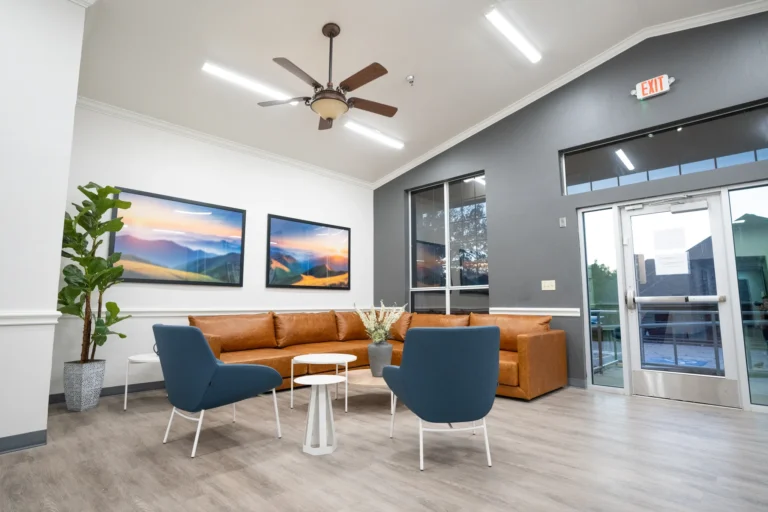
Your Private or Semi-Private Room
Your teen will have their own private room or share with one roommate of the same age and gender, depending on facility capacity and your child’s needs.
Your living space includes:
- Comfortable bed with linens
- Storage for personal belongings
- Climate control
- Clean, safe environment designed to feel comfortable for teens
- Shared bathroom facilities (or en-suite, depending on facility)
- Group therapy rooms designed for adolescent engagement
- Dining area
- Recreation spaces with age-appropriate activities
- Outdoor areas
- Quiet spaces for reflection
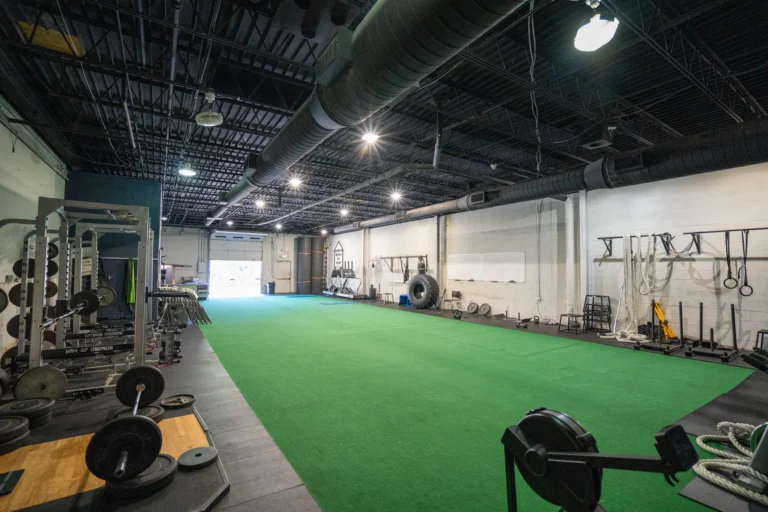
- Fitness areas for teens
This is your teen’s home for 28 days.
We create an environment that feels safe, comfortable, and conducive to healing for adolescents—not institutional or scary.
What to Bring
Clothing:
- Comfortable, casual clothes for 7-10 days (laundry is available)
- Modest, age-appropriate attire suitable for a therapeutic environment
- Comfortable shoes for indoor and outdoor activities
- Jacket or sweatshirt
- Sleepwear and undergarments
Personal Items:
- Toiletries (unscented if possible, no alcohol-based products)
- Any necessary medications in original containers
- Insurance card and ID
- Journal or notebook
- Books appropriate for teens
- Photos of loved ones (non-triggering)
What NOT to Bring:
- Alcohol, drugs, vaping products, or drug paraphernalia
- Weapons of any kind
- Inappropriate materials
- Medications not prescribed to your teen
- Excessive valuables or cash
- Items that could be used for self-harm
Our admissions team will provide you with a complete packing list
when your teen is admitted to our Montville, NJ facility.
Dual Diagnosis: Treating the Whole Person
Most teens with substance use disorders also struggle with mental health conditions—this is the norm, not the exception in adolescent behavioral health.
In fact, research shows that over 50% of young people with addiction have a co-occurring mental health disorder, with rates even higher in adolescents due to developmental vulnerabilities.
At Guardian Recovery, we’re a true dual diagnosis treatment provider for teens, which means:
We treat both conditions simultaneously:
- Your teen doesn’t have to choose between addressing addiction or mental health
- We understand they’re interconnected and influence each other—especially during adolescence
- Treatment plans address both from day one with adolescent-specific approaches
Common co-occurring disorders we treat:
- Depression and substance use disorder in teens
- Anxiety disorders and addiction in adolescents
- Post-Traumatic Stress Disorder (PTSD) and substance abuse in young people
- Bipolar disorder and addiction (often emerging in adolescence)
- Attention-Deficit/Hyperactivity Disorder (ADHD) and substance use in teens
- Eating disorders and addiction (common co-occurrence in adolescents)
- Emerging personality patterns and substance use
What dual diagnosis treatment looks like:
- Comprehensive psychiatric evaluation appropriate for adolescent development
- Appropriate medication for mental health symptoms with careful attention to developing brains and bodies
- Therapy that addresses trauma, mood disorders, and addiction together using teen-appropriate approaches
- Skills for managing mental health symptoms without substances that teens can actually use
- Understanding how mental health, development, and addiction feed each other in young people
- A treatment plan designed for YOUR teen’s specific combination of challenges and developmental needs
Your teen doesn’t have to manage mental health and addiction separately.
Integrated treatment heals the whole adolescent during this critical period of brain development and identity formation.
The Next Steps
The hardest part is making the decision to get help for your teen. The rest, we’ll do together.
When you call, we’ll:
- Listen to your and your teen’s story without judgment
- Conduct a confidential clinical assessment appropriate for adolescents
- Determine if residential teen treatment is right for your child
- Verify your insurance coverage and explain costs for adolescent behavioral health care
- Answer every question you have about our Montville, NJ program
- Help you and your teen prepare for admission
- Get your child admitted within 24-48 hours if you’re ready
You can also:
- Fill out our confidential online form for a callback about teen treatment
- Chat with an admissions specialist on our website about adolescent behavioral health services
- Email us your questions about helping your teen
Don’t wait for things to get worse. Don’t wait until your teen has lost more. Don’t wait until you’re ready—you’ll never feel completely ready.
The best time to get help for your child is right now. Your teen’s new life is waiting. Let’s start today.