





Recovery Support

You’re committed to your teen’s recovery, but you also have a life to manage—school, work, family, responsibilities. Your child shouldn’t have to choose between getting help and staying connected to their world.
Intensive Outpatient Program (IOP) offers structured, powerful treatment that works around your teen’s daily schedule—and yours. At Guardian Recovery, our adolescent IOP provides evidence-based therapy, clinical support, and accountability through structured sessions typically 3 hours per day, 3-5 days per week. Your teen will receive the intensive care they need to build and maintain sobriety while living at home, continuing school, and reconnecting with healthy aspects of their life.
We offer our teen substance use disorder IOP program both in-person and online.
This is where recovery meets real life for adolescents.
Your teen isn’t isolated from the world—they’re learning to navigate it sober, with expert support guiding them every step of the way.
Intensive Outpatient Program (IOP) is a structured treatment approach for adolescent substance use disorder that provides significant clinical support without requiring your teen to live at a facility. Your child attends scheduled therapy sessions during designated times—typically evenings or flexible daytime hours—then returns home to family and their regular routine.
Think of IOP as intensive support with real-world practice for adolescents.
Your teen is building recovery skills during treatment sessions and immediately applying them in their daily life—at home, at school, with peers—with clinicians who understand adolescent development checking in regularly to ensure success.
Guardian Recovery’s Intensive Outpatient Program serves adolescents at various points in their recovery journey, with programming specifically designed for teen developmental needs and mental health challenges.
When you contact us, our admissions team will:
We’ll make sure IOP is the right fit for your teen before you commit.
Many teens feel nervous joining a group—that’s normal.
Our facilitators are trained in adolescent engagement and create a welcoming environment, and your teen will quickly realize everyone is there for the same reason—to build a better life free from substances during this critical developmental period.
Each 3-hour session is structured and purposeful, designed to maximize your teen’s learning and growth with age-appropriate content and engagement strategies.
Break time is included for restroom, refreshments, and informal peer connection that’s especially important during adolescence.
Group therapy is the primary treatment modality in IOP, and for good reason—it works powerfully for adolescents who are navigating this social developmental stage.
Process Groups: Share your experiences in a safe, supportive environment with other teens. Receive feedback from peers who understand what you’re going through during adolescence. Practice interpersonal skills critical for this developmental stage.
Cognitive Behavioral Therapy (CBT) Groups: Identify negative thought patterns that drive substance use—patterns especially common in teens. Learn to challenge and reframe distorted thinking about yourself, peers, school, and family.
Dialectical Behavior Therapy (DBT) Groups: Master skills for managing intense emotions without substances—crucial for adolescents navigating hormonal and developmental changes. Learn distress tolerance for getting through difficult moments that are frequent in teen life.
Relapse Prevention Groups: Identify your personal triggers and high-risk situations specific to teen life—peer pressure, social media, school stress, family conflict. Develop detailed relapse prevention plans you can actually execute as an adolescent. Build resilience appropriate for your age.
Trauma-Focused Groups: Understand the connection between past trauma and current substance use with age-appropriate approaches. Begin healing old wounds in a safe environment with other teens.
12-Step Integration and Recovery Fellowships: Explore the principles of AA, NA, and other recovery fellowships adapted for adolescents. Work through the steps with guidance from counselors who understand teen development. Build connections with sober community.
Psychoeducation Groups: Learn the neuroscience of addiction and how substances affect the developing adolescent brain differently than adults. Understand the recovery process and what to expect during this developmental period.
Life Skills and Wellness Groups: Develop practical skills for independent, healthy living appropriate for teens. Learn stress management without substances for school and social pressures. Build healthy routines around sleep, nutrition, and exercise for growing bodies.
While group therapy is primary in IOP, individual counseling provides personalized support tailored to your teen’s unique needs.
Frequency: Typically 1 session per week, 45-60 minutes designed for adolescent attention and engagement
Your teen’s individual therapist is their advocate—the person who knows your child’s complete story and helps them navigate their unique path to recovery during this critical developmental period.
Teen IOP includes comprehensive psychiatric care for co-occurring mental health conditions with careful attention to adolescent development and physiology.
Frequency: Initial evaluation, then typically monthly or as needed for adolescent patients
This is true dual diagnosis treatment for teens—we don’t separate mental health from substance use. We treat the whole adolescent.
Your teen’s case manager helps ensure all aspects of their life support recovery, including coordination with school and family.
Think of your teen’s case manager as the person who helps navigate everything outside of therapy sessions that impacts your child’s recovery.
Find out exactly what your plan covers for teen treatment. We make insurance verification fast, easy, and private for families seeking adolescent behavioral health services in Montville, NJ.
When appropriate and desired, teen IOP includes family participation—crucial for adolescent recovery.
Recovery happens in relationship for adolescents.
Involving family, when healthy to do so, significantly improves outcomes for teens who are still developing within family systems.
Recovery skills must be practiced outside of sessions to become automatic—especially important for adolescents building new habits.
The work your teen does between sessions is as important as the work they do in sessions.
IOP isn’t just about showing up—it’s about actively applying what they learn in school, at home, and with peers.
IOP duration varies based on individual teen needs, progress, and developmental stage.
Most adolescents participate in IOP for 8-12 weeks, though length may vary based on:
Your teen’s treatment team assesses progress regularly and makes recommendations based on your child’s individual journey and developmental needs—not an arbitrary timeline. Some teens need more time, some less, depending on their unique situation and response to treatment.
Teen IOP isn’t the end of your child’s recovery journey—it’s a crucial middle phase. Research shows that ongoing support after intensive treatment dramatically improves long-term outcomes for adolescents.
Guardian Recovery offers ongoing alumni support for teens:
Recovery is lifelong, and so is our support for adolescents.
Guardian Recovery helps your teen connect with these resources so they have support beyond formal treatment as they navigate adolescence and young adulthood.
Understanding where IOP fits in the continuum helps you appreciate its role in your teen’s recovery journey.
PHP: 5-6 hours daily, 5-7 days/week, hospital-level intensity for teens, less independence
IOP: 3 hours daily, 3-5 days/week, structured but less intensive for adolescents, more real-world practice
Teen IOP has more flexibility but requires more self-management between sessions—appropriate for adolescents ready for more independence with continued support.
Residential: 24/7 immersive care for teens, live at facility, complete focus on recovery, maximum structure
IOP: Part-time treatment for adolescents, live at home with family, balance recovery with responsibilities like school, moderate structure
Teen IOP allows your child to maintain their life—school, family, healthy peer relationships—while receiving significant clinical support specialized for adolescents.
Traditional Outpatient: 1-2 hours weekly, minimal structure, mostly individual therapy
IOP: 9-15 hours weekly for teens, highly structured, primarily group-based with individual support and peer connection
Teen IOP provides much more intensity and accountability than traditional outpatient therapy—crucial during this vulnerable developmental period.
The right level of care depends on your teen’s individual needs and developmental stage. Your treatment team will help determine what’s appropriate for your child.
For a complete side-by-side breakdown of all four levels of care, including how to decide between them, see our guide: Residential Treatment vs. Outpatient Therapy for Teens in NJ.
Most adolescents with substance use disorders also struggle with mental health conditions, and treating both simultaneously is essential for lasting recovery during this developmental period.
Guardian Recovery’s teen IOP provides true integrated dual diagnosis treatment:
Example: If your teen is in IOP for alcohol use disorder and also has PTSD, their treatment plan includes trauma-informed care alongside substance use treatment, psychiatric management of both conditions, and skills for managing PTSD symptoms without alcohol—all delivered by clinicians who understand adolescent development and trauma.
Your teen is treated as a whole person, not a collection of diagnoses—with specialized attention to their developmental stage.

Recovery is possible. We know because we’ve walked this path with thousands of teens just like yours.
Your teen’s journey toward freedom from substance use can start today.
Don’t wait for things to get worse. Don’t convince yourself you should be able to do this alone. Don’t let fear stop you from getting help.
The life you want—free from substance use, full of purpose and peace—is possible. We help people build that life every single day.
IOP at Guardian Recovery: Intensive support. Real-world recovery. Lasting results.
Your recovery starts with a single call. Let’s take that step together—right now.
Clear, straightforward answers to help you understand what to expect, how the process works, and how we support you every step of the way.
Yes! Unlike PHP, IOP is designed to fit around school. We offer flexible scheduling with evening sessions and some daytime options during school breaks. Most teens attend school during the day and IOP in the evening, allowing them to maintain their education while receiving intensive treatment.
Teen IOP provides 9-15 hours of intensive treatment weekly with multiple therapy sessions, psychiatric care, and comprehensive programming—far more intensive than weekly outpatient therapy. It’s designed for adolescents who need more structure and support than traditional counseling can provide, with peer groups that are especially powerful during this developmental stage.
Yes! Our IOP groups are designed specifically for teens, creating peer connections with others who understand their struggles. This peer support is especially powerful during adolescence when belonging and being understood by peers matters so much. We don’t mix teens with adults.
Absolutely. Family involvement is crucial in adolescent treatment and significantly impacts your child’s success. We include family therapy sessions, parent education, and regular communication about your teen’s progress. Your participation helps create a supportive home environment that reinforces recovery.
Resistance is common, especially at first—many teens don’t want to be in treatment initially. Our staff are specially trained in adolescent engagement and motivational interviewing. We meet teens where they are, build trust, and help them find their own reasons to engage in recovery. Many initially reluctant teens become active, engaged participants once they connect with peers and start seeing positive changes.
For a full breakdown of both programs, how they compare, and how to know which one is right for your teen, read our complete guide: Teen IOP vs PHP
Licensed therapists, addiction counselors, psychiatric providers, and case managers specializing in substance use and co-occurring disorders.
Group therapy, individual counseling, psychiatric care, case management, drug testing, and family support—all in one program.
We use proven therapies—CBT, DBT, trauma-informed care, motivational interviewing, relapse prevention—backed by research showing they work.
Seamless transitions from detox through residential, PHP, IOP, outpatient, and alumni support—all within Guardian Recovery.
Mental health and addiction treated together, simultaneously, by specialists in co-occurring disorders.
You practice skills in your actual life, with support to navigate real challenges as they arise.
Evening and daytime options to accommodate work, school, and family responsibilities.
We help you build connections with 12-Step fellowships and other recovery resources for long-term support.
Your program is designed for YOUR specific needs, history, strengths, and goals—not a one-size-fits-all approach.
We work with most major insurance providers and help maximize your benefits.
Small groups (typically 8-12 clients) led by experienced facilitators create safe, supportive environments for deep work.
Our evidence-based, comprehensive approach gives you the tools and support for lasting recovery.
Compassionate adolescent substance use care with residential, PHP, IOP, and aftercare so your teen feels safe, seen, and supported as they reclaim their future.
Specialized support for anxiety, depression, trauma, and emotional challenges, giving your teen the tools to heal and grow with clinical guidance and genuine care.
State of the art online care that brings accessible, compassionate support for substance use and mental health, meeting your child where they are, wherever you live.
Guardian Recovery offers a full continuum of care between our facilities; including PHP, IOP, and Aftercare programs.
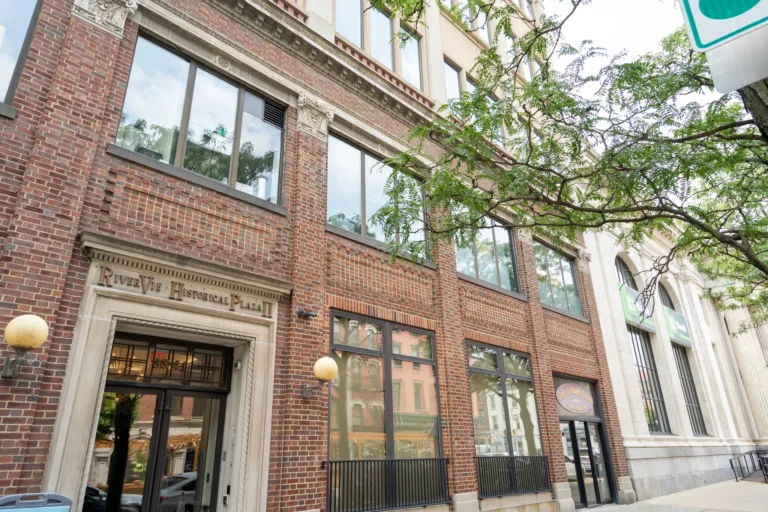
Hoboken, NJ
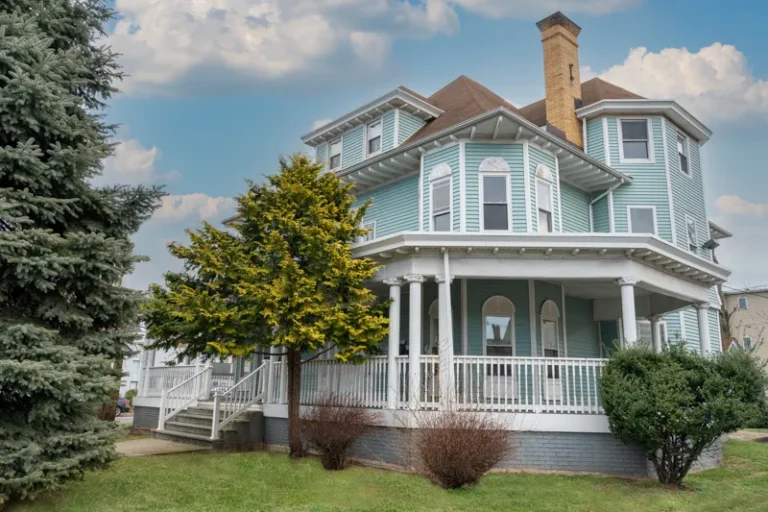
New Brunswick, NJ
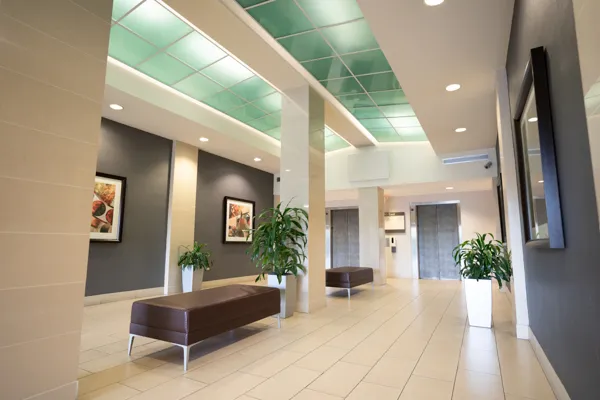
Saddle Brook, NJ

Towaco, NJ

Denver, CO
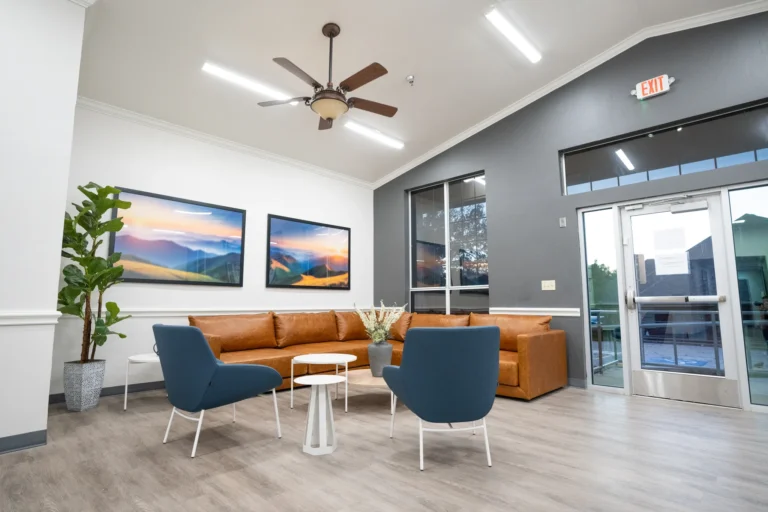
Plano, TX
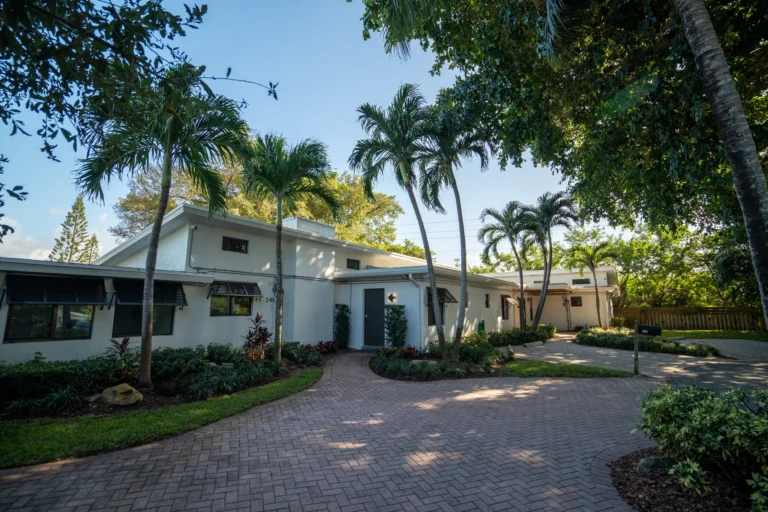
Delray Beach, FL
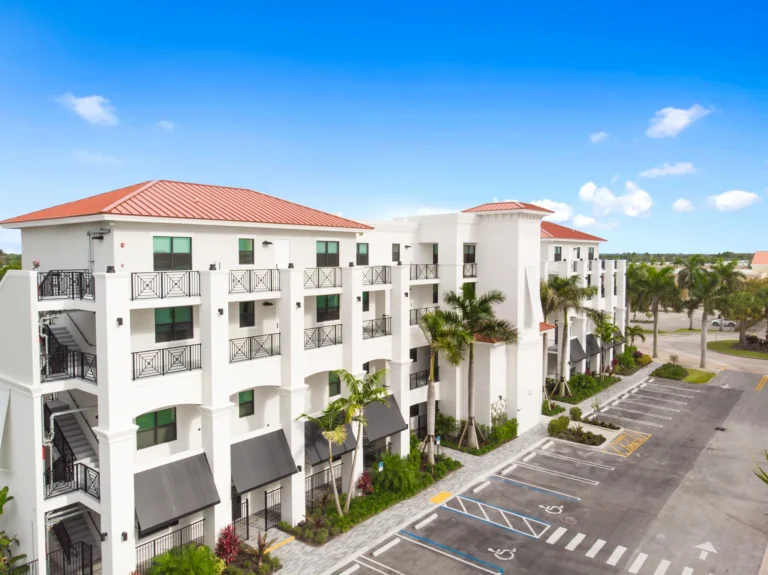
Boynton Beach, FL
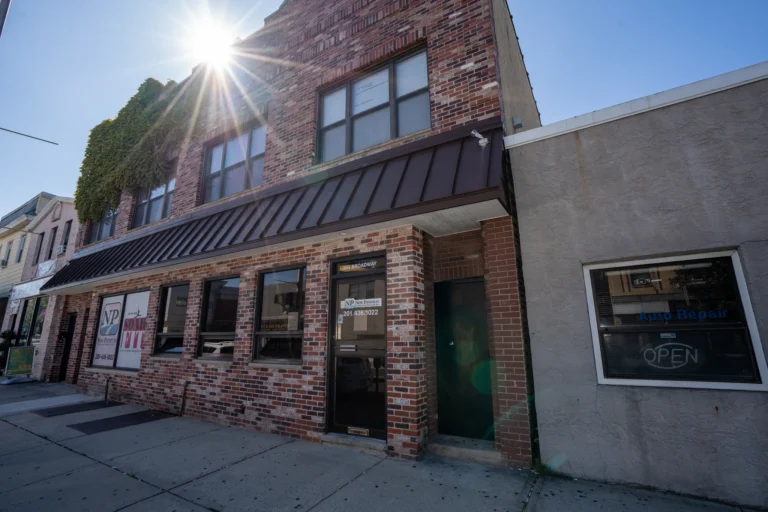
Bayonne, NJ
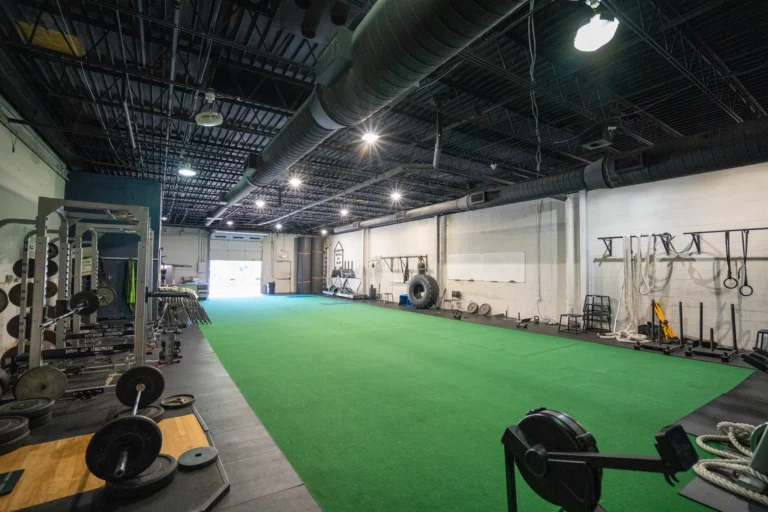
Paramus, NJ
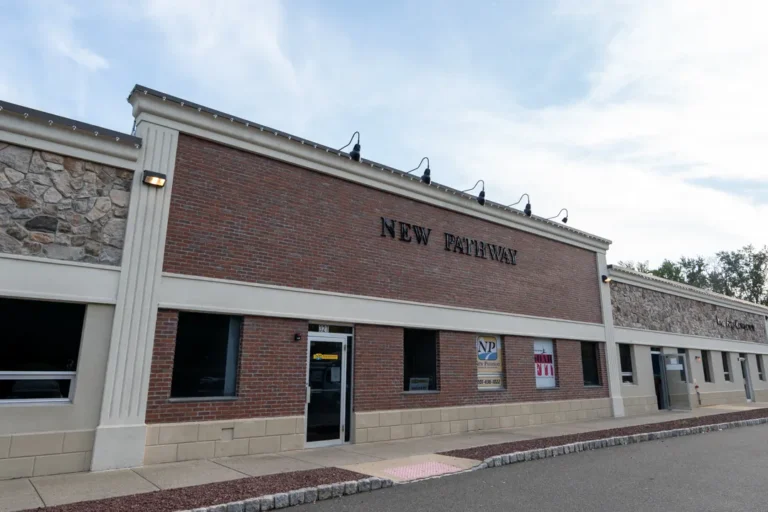
Pine Brook, NJ
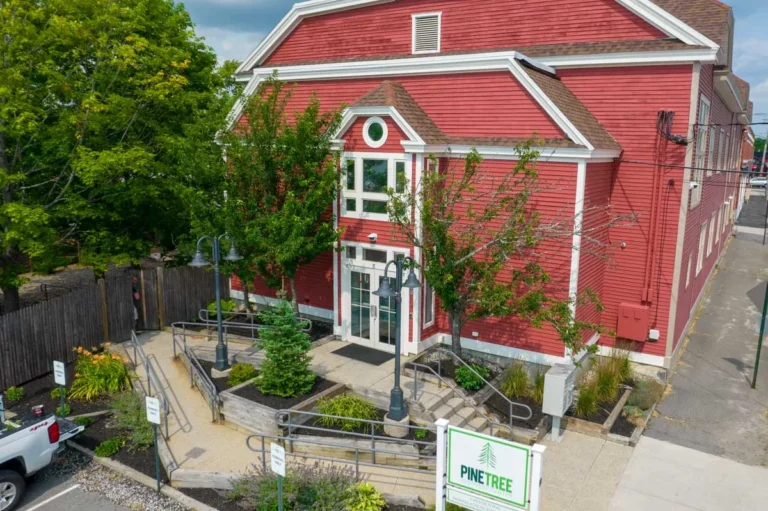
Portland, ME
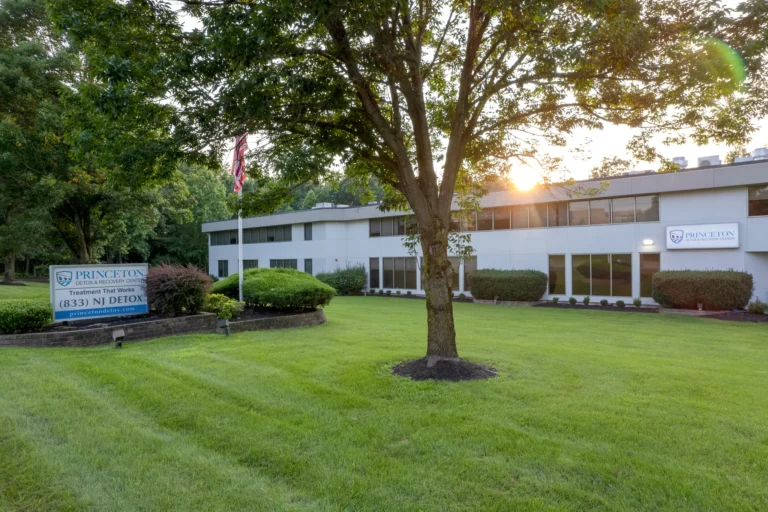
Monmouth Junction, NJ

Plymouth, NH
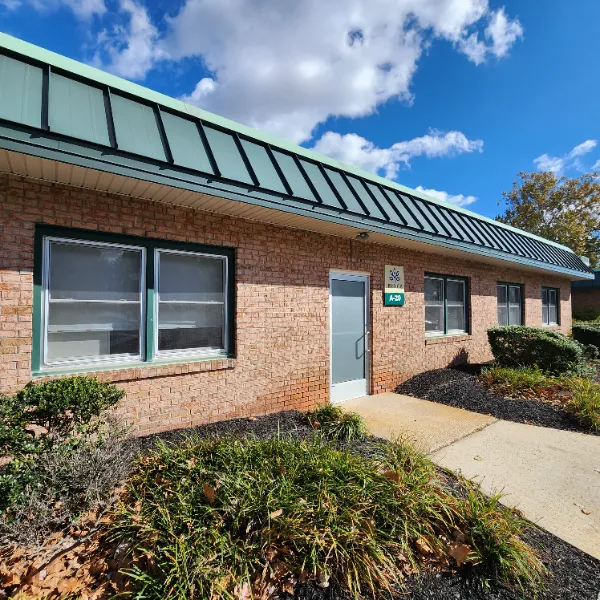
Lawrenceville, NJ
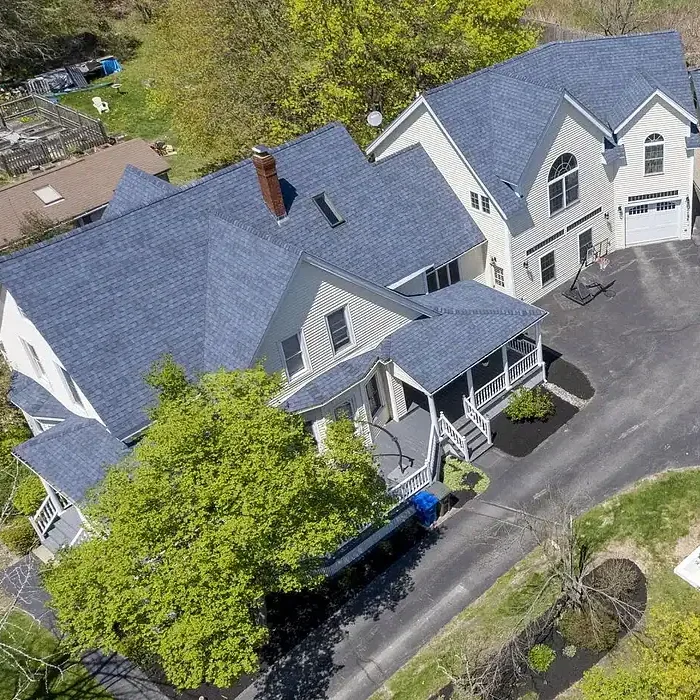
Westbrook, ME
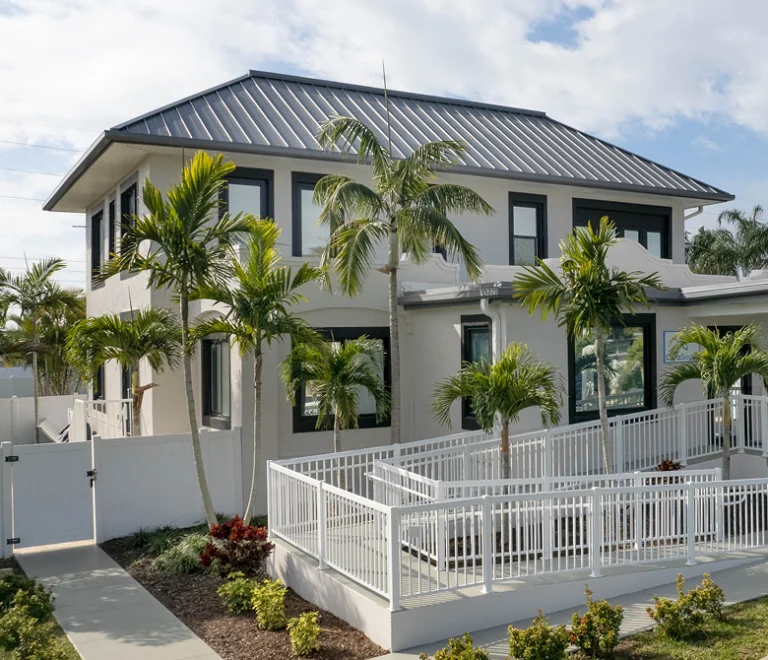
Tampa, FL

Medical Disclaimer:
The information provided on this website is intended solely for educational and informational purposes. Guardian Recovery aims to improve the quality of life for individuals struggling with substance use or mental health disorders by offering fact-based content about behavioral health conditions, treatment options, and related outcomes. However, this information should not be considered a substitute for professional medical advice, diagnosis, or treatment.
Important Notes:
The content on this site is believed to be current and accurate at the time of posting, but medical information is constantly evolving.
Always seek the advice of your physician or other qualified healthcare provider regarding any questions or concerns about your health or medical condition.
If you think you may have a medical emergency, call 911 or go to the nearest emergency room immediately.
Guardian Recovery does not provide free medical advice. For personalized treatment recommendations, please consult with a licensed healthcare professional.
By using this website, you acknowledge that you have read and understand this disclaimer. Guardian Recovery and its affiliates disclaim any liability for the use or interpretation of information contained herein. SEE TERMS AND CONDITIONS


Medical Disclaimer:
The information provided on this website is intended solely for educational and informational purposes. Guardian Recovery aims to improve the quality of life for individuals struggling with substance use or mental health disorders by offering fact-based content about behavioral health conditions, treatment options, and related outcomes. However, this information should not be considered a substitute for professional medical advice, diagnosis, or treatment.
Important Notes:
The content on this site is believed to be current and accurate at the time of posting, but medical information is constantly evolving.
Always seek the advice of your physician or other qualified healthcare provider regarding any questions or concerns about your health or medical condition.
If you think you may have a medical emergency, call 911 or go to the nearest emergency room immediately.
Guardian Recovery does not provide free medical advice. For personalized treatment recommendations, please consult with a licensed healthcare professional.
By using this website, you acknowledge that you have read and understand this disclaimer. Guardian Recovery and its affiliates disclaim any liability for the use or interpretation of information contained herein. SEE TERMS AND CONDITIONS
